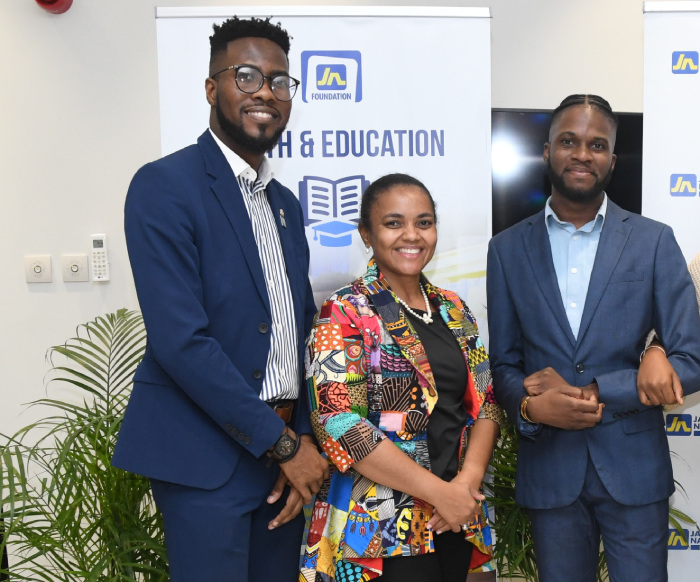
JN Chevening Scholarship Broadens Najae Murray’s Vision for Jamaica’s Education System
For Najae Murray, the Chevening/JN Oliver Clarke Scholarship was more than an opportunity to earn a postgraduate degree in the United Kingdom. It broadened his understanding of education as a tool for national development and strengthened his resolve to help shape Jamaica’s education policy.
Now back home in Jamaica at the University Council of Jamaica (UCJ), Mr Murray is applying the research and analytical skills gained at University College London’s (UCL) Institute of Education to discussions on higher education reform, graduate effectiveness and the future of learning.
His journey began in 2024 when he was awarded the first Chevening partner award, which was named in honour of the late Oliver F. Clarke, former chairman of The Jamaica National Group and The Gleaner Company.
At first, Mr Murray was feeling a sense of apprehension about entering an unfamiliar environment and adapting to a different academic system; however, the diversity he observed in London quickly eased his concerns.
“I surprisingly felt at home because there were so many diverse groups of people. It reminded me of home – ‘Out of Many, One People’,” he recalls.
Academically, the transition proved equally significant. While awaiting the results of an assignment, Mr Murray questioned whether he was prepared to meet the demands of his new learning environment. When he received a good grade, his relief turned to pride.
“I called my family back home and said, ‘Wow, I finally made it. I finally cracked the code,’” he says.
The experience gave him the confidence to embrace the opportunities ahead and challenged him to think differently about education and development.
Global Insights for National Development
With a background in communication and experience at the UCJ, Mr Murray had developed an interest in education policy and planning. He chose to pursue a master’s degree in education and international development to better understand how education systems could support development in Jamaica and other low and middle-income countries.
At UCL, he examined how countries approach educational challenges and learnt that solutions must be understood within their particular social, economic and political contexts.
An assignment exploring the role of private school education in South Sudan was especially instructive. It showed him how familiar educational terms could have different meanings and implications across countries, reinforcing the need to understand local realities before recommending solutions.
“It taught me that listening is much more important than responding, and that you have to understand how people themselves define education before you can try to offer solutions.”
The programme also sharpened his research skills, equipping him to investigate issues more rigorously and consider different perspectives before drawing conclusions. He now sees these skills as essential to developing education policies that respond to the needs of students, institutions and society.
Since returning to Jamaica, Mr Murray has increasingly focused on policy discussions beyond his original field of communication and public relations. He cites the UCJ’s Dennis Irving Distinguished Lecture, held under the theme ‘Quality by Design: Strengthening Higher Education Institutions for Graduate Effectiveness’, which he planned and organized, as an example of how his international exposure has influenced his professional thinking.
The theme reflected his growing interest in how higher education institutions can better prepare graduates for the demands of a changing world. He says his studies at UCL helped him recognise the importance of bringing global debates about education quality and effectiveness into Jamaica’s policy discussions.
He is also drawing more extensively on the research and planning skills developed during his studies in his work at the UCJ.
Using New Skills Beyond the Workplace
His commitment to applying his knowledge at home extends beyond the workplace. Along with members of his 2024–2025 Chevening cohort, he secured more than £12,000 through the Foreign, Commonwealth and Development Office’s Chevening Alumni Fund for a climate-resilience education project.
Now in its implementation phase, the initiative will establish a programme to develop climate-resilient ambassadors in six primary schools across Jamaica, with two schools in each county.
The project reflects the group’s desire to translate their international experience into practical action, particularly in the wake of Hurricane Melissa and its impact on vulnerable communities.
For Mr Murray, it is an opportunity to use education to help children understand and respond to climate-related risks. He also wants to see young people play a more meaningful role in national education policy discussions. Their participation, he argues, must go beyond tokenism to ensure that informed youth perspectives are helping to shape decisions.
As the youngest person in his department, he believes he brings a valuable perspective on the challenges students face, having experienced the education system more recently than many of his colleagues. He wants that insight to help institutions develop policies and programmes that better serve students and communities.
Set on a New Journey
Mr Murray credits the Oliver F. Clarke Chevening Scholarship, awarded through the JN Foundation, with shaping his professional and personal development. Claudine Allen, general manager of the JN Foundation, said that the foundation’s support reflects its commitment to investing in people who can apply their knowledge and experience to Jamaica’s development.
“Najae’s journey demonstrates the value of investing in people who are committed to using their knowledge and experiences to advance Jamaica’s development. Through the Oliver Clarke Chevening Scholarship, he gained more than an international qualification; he broadened his perspective, strengthened his research capabilities and deepened his understanding of how education can drive national progress,” she said.
“We are particularly encouraged to see him applying these skills to Jamaica’s higher education policy discussions and initiatives that respond to the needs of our communities. His ambition to help shape a more responsive and innovative education system reflects the kind of forward-thinking leadership we seek to nurture through our scholarship programme,” she added.
Looking ahead, Mr Murray hopes to begin doctoral studies by 2028, with a focus on education and innovative systems. He wants to explore how education policies can adapt to emerging technologies, new teaching approaches and the changing needs of learners.
His ambition is for Jamaica to become more proactive in shaping educational change rather than simply reacting to it.
“I have now found a passion in something far greater than myself,” he says. “And I want to do the required work to ensure that I’m able to sustainably contribute to my country.”

Check out more stories like this
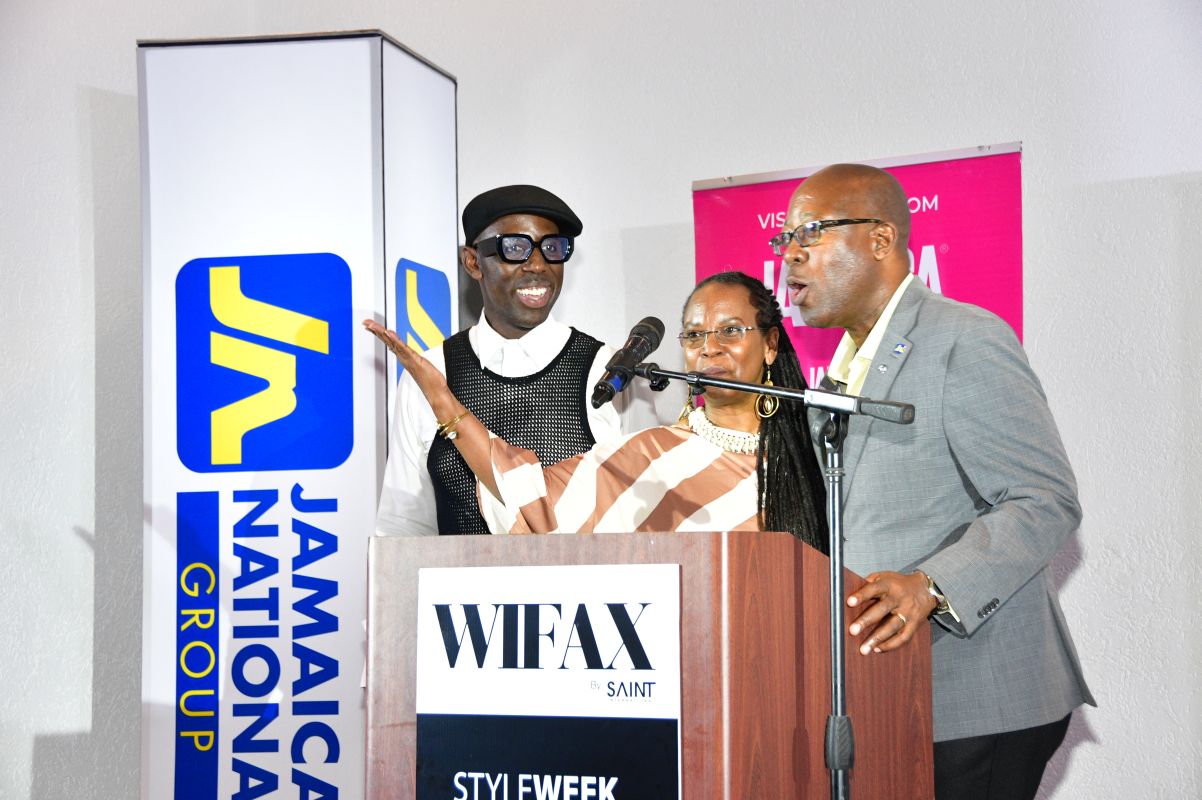
WIFAX Puts Creative Industries’ Economic Potential in Focus
Week-long Fashion, Art and Architecture Exchange Showcases Creative Potential Focus...
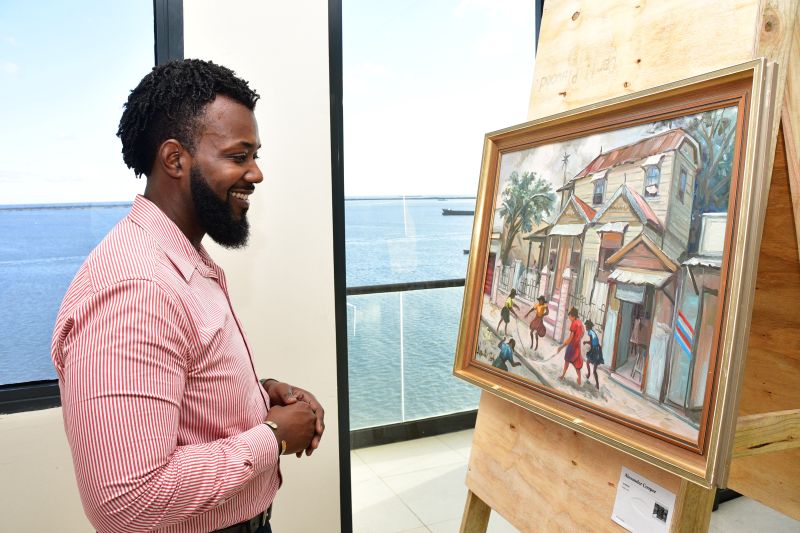
Artists, Patrons Commend JN Exhibition at Inaugural WIFAX on Kingston’s Waterfront
From its rich collection of works of art showcasing some...