Consider the 10-10-80 Budget Rule
Rose Miller, head of the JN BeWi$e financial empowerment programme says that although it may not be the ideal plan for every individual, the 10-10-80 budget is a common choice among people, who are serious about saving for the future.
10-10-80 Budgets
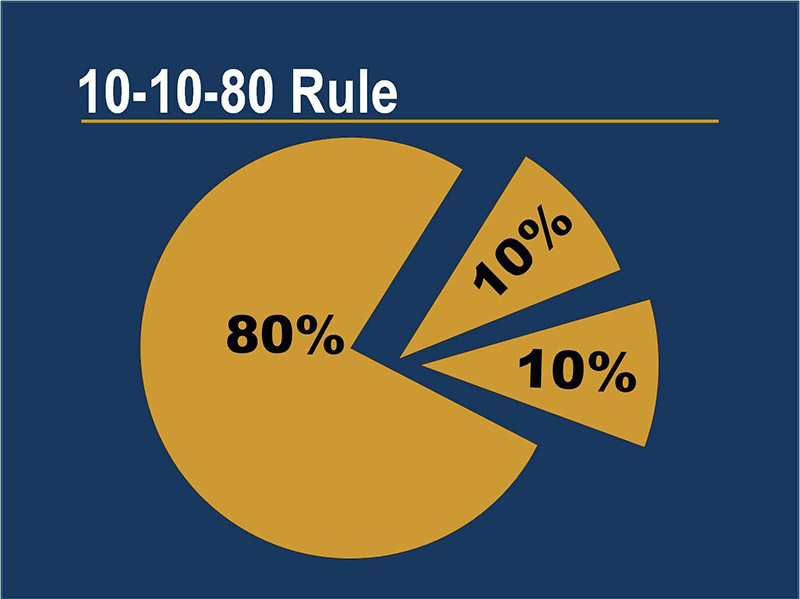
The 10-10-80 budget is built on the premise that most households require no more than 80 per cent of its earnings to live comfortably. People who subscribe to this budgeting plan set aside 80 per cent of their pay cheque for food, utilities, rent, clothing and other necessities. They give 10 of the remaining 20 percent to charity or to their church as tithes, and the rest goes into a savings or investment account for the future.
Example
If you earn an income of $100,000 per month after taxes, your 10-10-80 budget would be as follows:
• $80,000 allotted for living expenses
• $10,000 allotted for saving accounts or investments
• $10,000 allotted for giving to non-profit organisations, such as churches or charities.
Within the living expenses portion of your budget, you will first take care of needs before addressing wants. Areas of needs would include:-
• Pension contribution
• Insurance
• Rent/Mortgage
• Food
• Transportation
• Utilities
• Child-care
Variations
If you have debt, some financial planners recommend paying 10 percent of your monthly income toward your outstanding debts instead of toward investments or savings. Some people also vary the plan’s percentages. For example, you may decide to cut down on expenses and live off 70 percent of your monthly income instead of 80. In this case, you could split the remaining 30 percent between charity and savings, thus creating a larger nest egg for your future.

Check out more stories like this

JN Connects with St Ann Businesses to Unlock Opportunities
The JN Group is exploring opportunities to strengthen relationships and...

When the Call Sounds Legit, But Isn’t
Your phone rings. The caller identifies themself as a representative...

JN Money Partners with WapiPay to Expand Remittance Options to Jamaica
JN Money Services has partnered with fintech company, WapiPay, to...